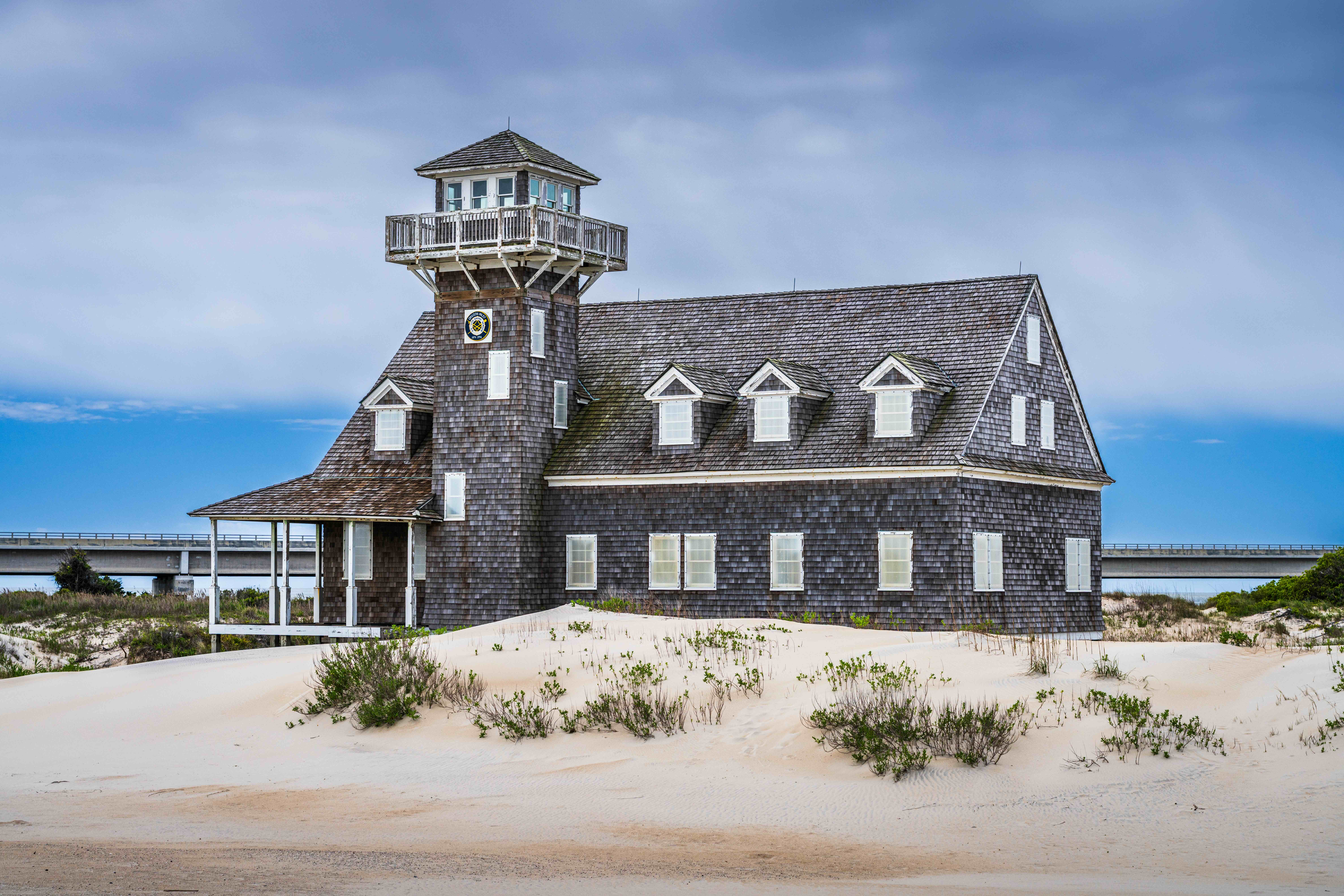
Rodanthe sits on a narrow and highly exposed section of Hatteras Island, with the Atlantic Ocean to the east and Pamlico Sound and marsh habitat to the west. The village is part of the northern Hatteras Island communities commonly grouped with Waves and Salvo, yet its combination of elevated beach homes, vacation rentals, wind, salt exposure, sand, and surrounding water creates pest challenges at the individual-property level. First Light Pest Control provides pest control in Rodanthe, NC, designed for homes and rentals that operate in this demanding coastal environment. Dare County identifies Rodanthe, Waves, and Salvo together as the Chicamacomico area.

Elevated construction changes where pests find shelter and how they enter a building. Around Rodanthe homes, our inspections may include pilings and ground-level enclosures, decks, stairs, rooflines, utility penetrations, outdoor showers, storage spaces, and protected areas beneath the structure. First Light provides preventative household pest control alongside mosquito management, termite protection, rodent control and exclusion, bed bug services, and wildlife solutions when needed. Vacation properties also benefit from service that recognizes the importance of turnover schedules and guest experience. Rather than treating every beach house identically, we identify the vulnerabilities of the individual structure and focus our treatment and prevention efforts accordingly.







Marsh habitat, standing water, summer heat, and humidity make mosquitoes an obvious concern in Rodanthe, but they are only part of the local pest picture. Ants, cockroaches, and spiders find shelter around elevated homes, decks, outdoor storage areas, and protected structural spaces. Rodents can exploit gaps around utilities, siding, vents, and enclosed areas, particularly when properties are unoccupied for periods of time. Termites also warrant attention wherever wood, moisture, and shelter create favorable conditions. Vacation rentals face the additional possibility of pests being introduced through luggage, groceries, or frequent occupancy. Preventative inspections help reveal activity during the periods when owners or guests may not notice it themselves.