Wildlife & Exclusion Services in the Outer Banks

Permanent, prevention-first solutions that keep rodents and wildlife out of your home by sealing entry points, reinforcing vulnerable areas, and addressing the root cause—not just the symptoms.

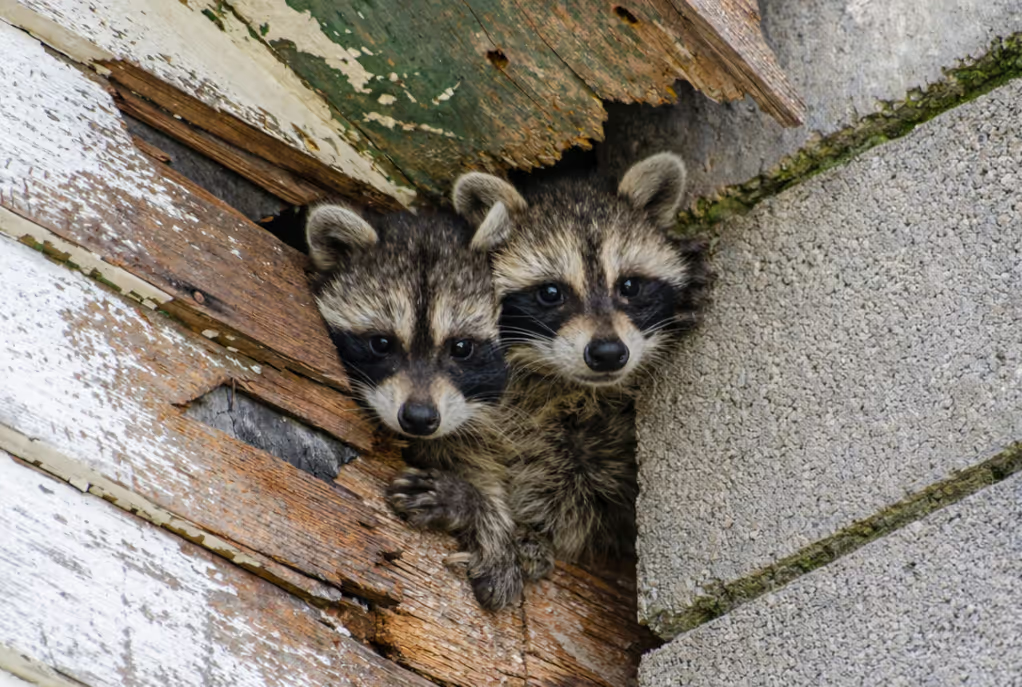
Baby raccoons inside a damaged roofline where wildlife can enter an attic.
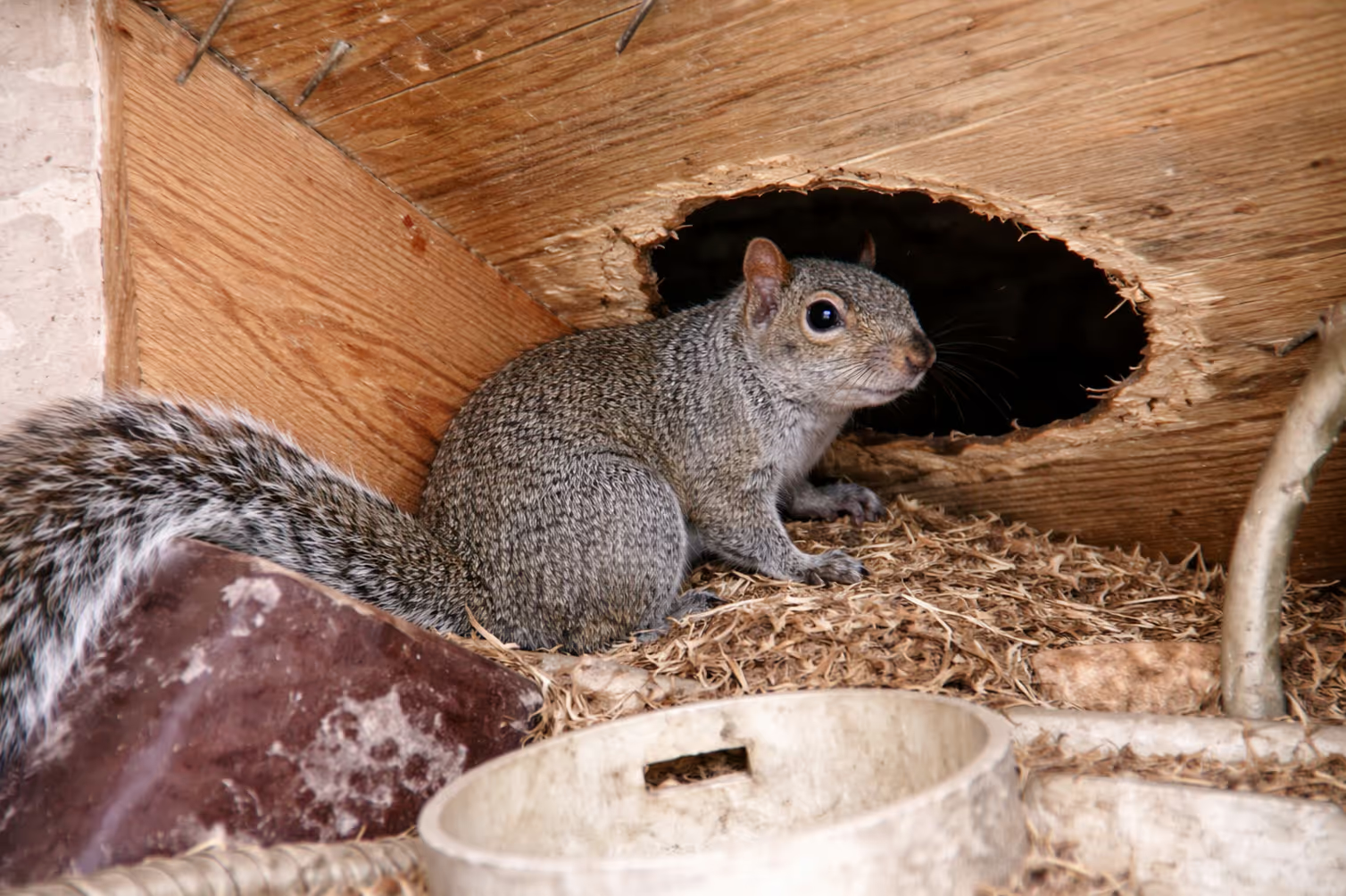
Squirrel nesting inside attic insulation near a roof entry hole requiring wildlife removal.

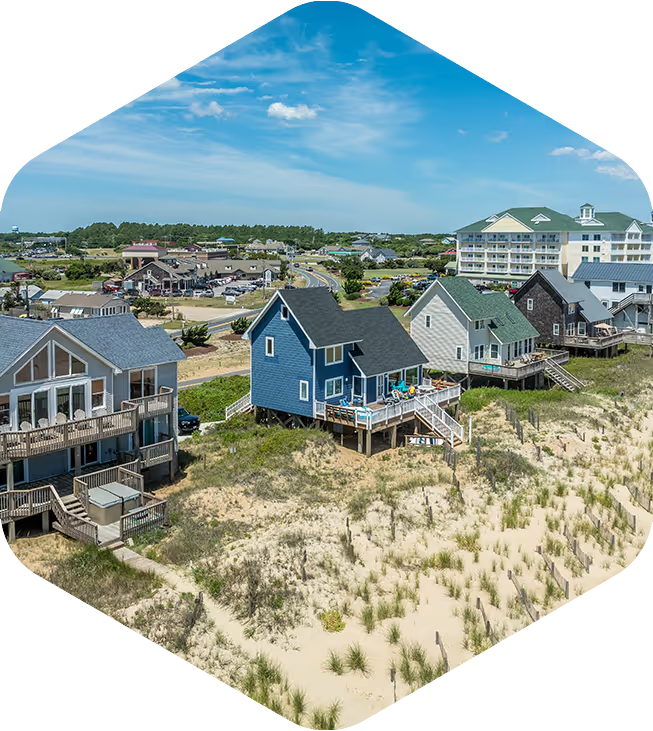
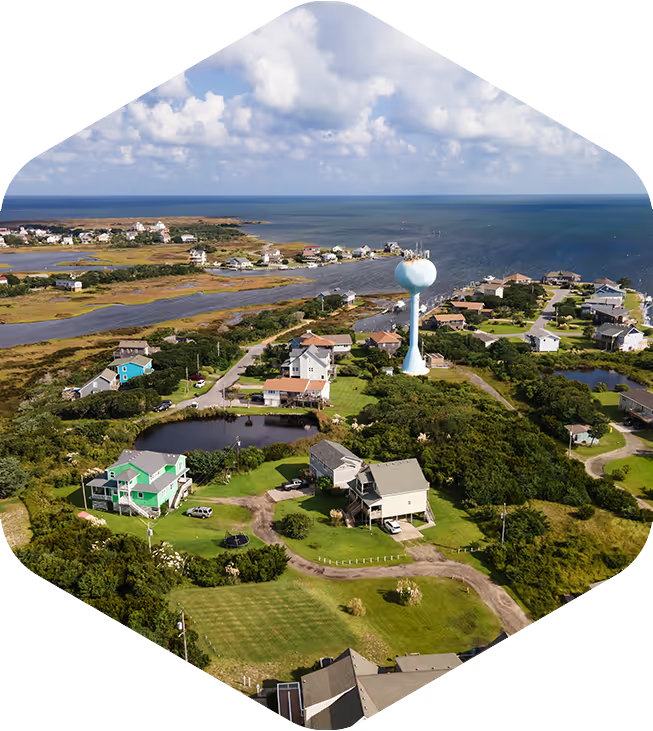
Outer Banks homes face unique wildlife pressure due to elevated construction, coastal weather, and year round food availability. Raccoons, squirrels, bats, opossums, birds, and rodents often exploit rooflines, vents, crawlspaces, and utility penetrations to gain access—leading to costly structural damage and sanitation concerns.

First Light Pest Control’s Wildlife and Exclusion Services are designed to stop infestations at the source. Every project begins with a detailed structural assessment to identify active entry points and conditions that attract wildlife. We then implement durable, chew resistant exclusion solutions built to withstand coastal environments, providing long term protection rather than temporary relief.

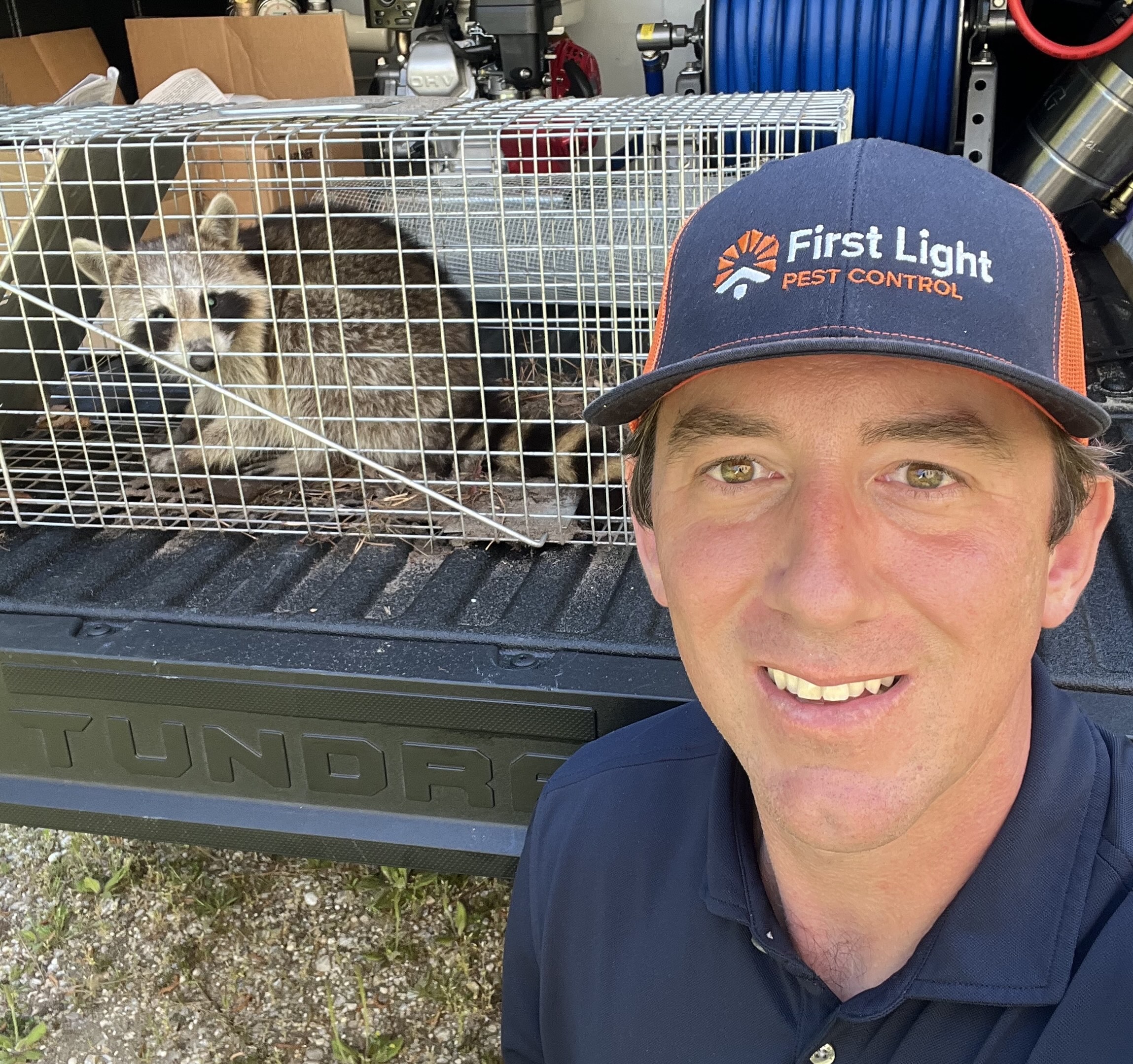
Opossum captured in humane wildlife trap during professional wildlife removal service.

Wildlife Removal

Wildlife activity can quickly escalate from a nuisance to a serious health, safety, and structural concern. We provide humane, compliant wildlife removal services paired with prevention strategies to reduce the risk of re entry. Each service begins with a thorough inspection, followed by a customized plan focused on animal welfare, property protection, and lasting results.

Our wildlife removal services include:
  • Raccoons – Attic and crawlspace intrusions, insulation damage, ductwork disruption, and roofing damage
  • Squirrels – Gnawing damage to siding, soffits, vents, and electrical wiring
  • Opossums – Crawlspace denning, sanitation concerns, and odor issues
  • Bats – Maternity-season compliant exclusions, roost identification, and guano remediation guidance
  • Birds – Nesting in vents, eaves, and structural voids with species-specific, legal deterrent solutions
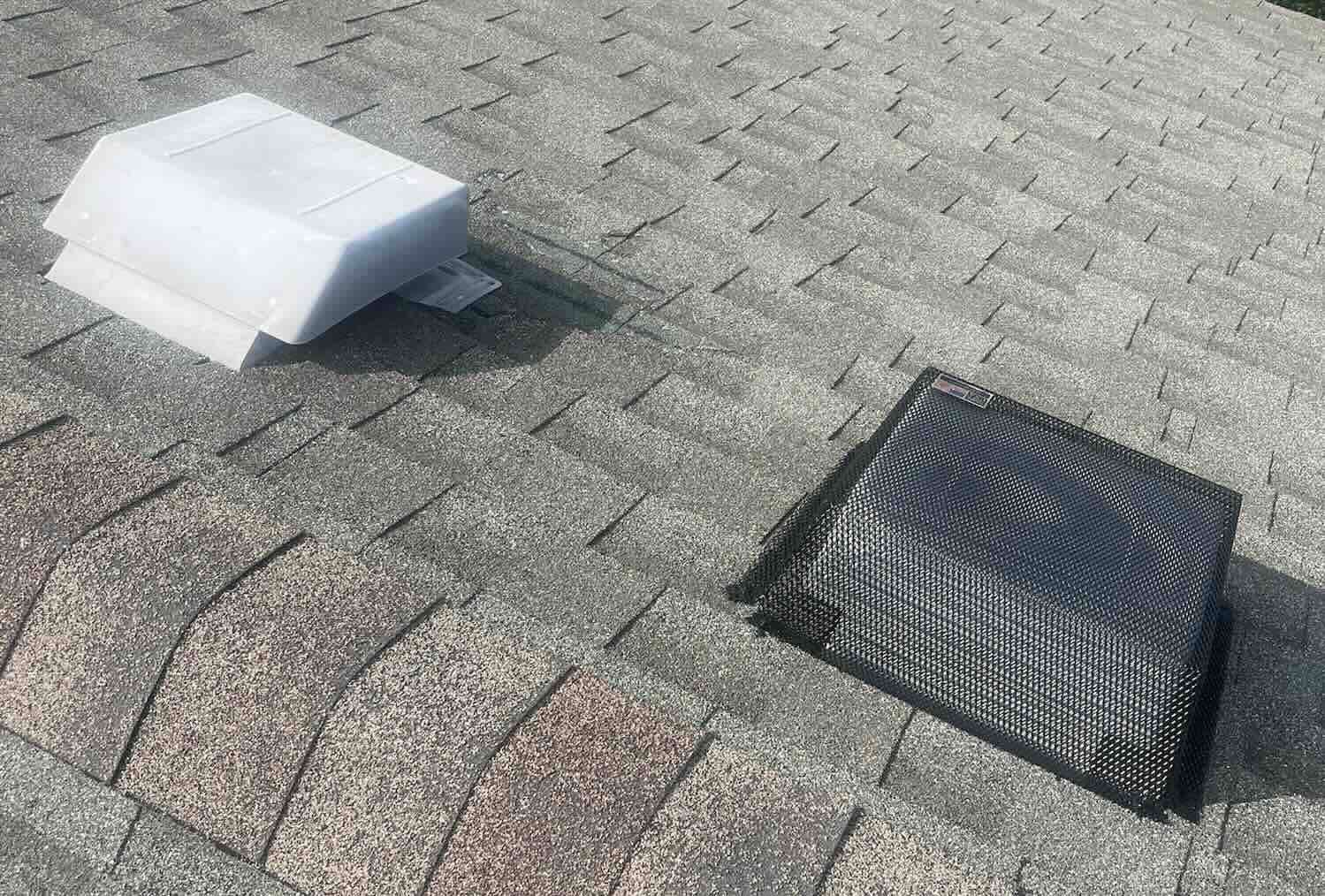
Wildlife technicians installing roof exclusion and traps to remove raccoons or squirrels from a coastal home.

Exclusion Services

Exclusion Services focus on permanently keeping wildlife out by identifying and sealing structural vulnerabilities. Rather than relying on repeated trapping or reactive treatments, exclusion addresses the root cause by physically denying access and reinforcing weak points in the structure.

This service may include:

  • Sealing gaps, cracks, and structural openings around foundations, pilings, siding, and rooflines
  • Reinforcing gable vents, soffits, ridge vents, and crawlspace access points
  • Installing chew-resistant materials, screens, and barriers designed for coastal conditions
  • Identifying and correcting conditions that attract rodents and wildlife
  • Detailed documentation and recommendations for long-term prevention
First Light Pest Control logo with sunrise over a home roofline

Frequently Asked Questions

GENERAL WILDLIFE REMOVAL

Who provides wildlife removal services in the Outer Banks?
Plus sign for expansion of FAQs

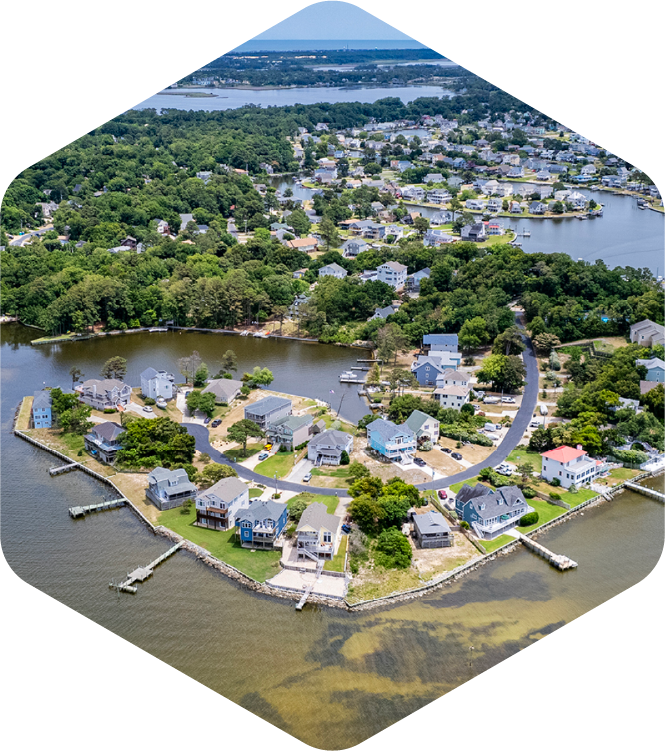
First Light Pest Control provides professional wildlife trapping, removal, and exclusion services throughout the Outer Banks of North Carolina. Based in Kill Devil Hills, our team assists homeowners and property managers from Corolla and Duck to Nags Head, Manteo, and the towns and villages of Hatteras Island.

Coastal homes often attract nuisance wildlife due to elevated construction, crawlspaces, and nearby marshland habitats. Our wildlife services focus on safely removing animals, identifying entry points, and implementing durable exclusion solutions that help keep raccoons, squirrels, bats and other wildlife from returning.

What types of wildlife commonly enter homes in the Outer Banks?
Plus sign for expansion of FAQs

Common nuisance wildlife in the Outer Banks includes:

  • Raccoons
  • Squirrels
  • Bats
  • Opossums
  • Birds nesting in vents and rooflines

These animals often enter homes through attics, soffits, dryer vents, crawl spaces, rooflines, and attic vents while searching for shelter and nesting areas.

Why do wildlife animals enter homes in the Outer Banks?
Plus sign for expansion of FAQs

Wildlife animals seek out homes for several reasons:

  • Warm shelter in attics and crawl spaces
  • Protection from predators and weather
  • Nesting areas for raising young
  • Access to food sources around residential properties

Coastal construction styles and elevated homes common throughout the Outer Banks often provide wildlife easy access to entry points.

What areas of the Outer Banks do you service for wildlife removal?
Plus sign for expansion of FAQs

First Light Pest Control provides wildlife trapping, removal, and exclusion services throughout the Outer Banks of North Carolina, including:

  • Kitty Hawk
  • Kill Devil Hills
  • Nags Head
  • Southern Shores
  • Duck
  • Corolla
  • Manteo
  • Hatteras Island communities
How can homeowners schedule wildlife removal services?
Plus sign for expansion of FAQs

Homeowners experiencing wildlife issues such as animals in the attic, birds nesting in dryer vents, or raccoons and squirrels entering the home can schedule an inspection with First Light Pest Control for professional wildlife removal and exclusion services.

RACCOON REMOVAL

How do raccoons get into homes?
Plus sign for expansion of FAQs

Raccoons often enter homes through vulnerable areas such as:

  • Roof vents
  • Soffits and fascia boards
  • Gable vents
  • Roofline gaps

Once inside, raccoons may create nests in attics and cause significant damage.

What damage can raccoons cause in attics?
Plus sign for expansion of FAQs

Raccoons can cause serious damage including:

  • Torn insulation
  • Damaged ductwork
  • Contaminated attic spaces
  • Structural damage to soffits and vents

Professional raccoon removal is recommended to safely resolve the problem.

How are raccoons removed from homes?
Plus sign for expansion of FAQs

Raccoon removal typically involves:

  • Humane trapping methods
  • Inspection of the structure for entry points
  • Removal of animals from the property
  • Wildlife exclusion repairs to prevent re-entry

This approach resolves both the immediate wildlife problem and long-term prevention.

SQUIRREL REMOVAL

Why do squirrels enter attics?
Plus sign for expansion of FAQs

Squirrels frequently enter attics to build nests and raise young. They often chew through soffits, roof edges, fascia boards, and attic vents to gain access.

What are signs of squirrels in the attic?
Plus sign for expansion of FAQs

Common signs of squirrel activity include:

  • Scratching or running noises during the day
  • Chewed wood around rooflines
  • Nesting materials in attic insulation
  • Droppings or debris

Squirrels are highly destructive and can cause structural damage if left untreated.

How are squirrels removed from attics?
Plus sign for expansion of FAQs

Squirrel removal typically includes:

  • Humane trapping or removal methods
  • Removal of nesting animals
  • Sealing structural entry points
  • Installing wildlife exclusion materials

Exclusion repairs prevent squirrels from returning.

BAT REMOVAL

Are bats common in the Outer Banks?
Plus sign for expansion of FAQs

Yes. Bats are commonly found in coastal regions like the Outer Banks where they roost in attics, rooflines, and other protected spaces.

How are bats removed from homes?
Plus sign for expansion of FAQs

Bat removal typically involves professional bat exclusion, which allows bats to exit the structure while preventing them from returning.

This process may include:

  • Installing one-way bat exclusion devices
  • Sealing secondary entry points
  • Monitoring bat exit activity

Bat removal must follow state wildlife regulations and humane exclusion practices.

OPOSSUM REMOVAL

Why do opossums enter residential properties?
Plus sign for expansion of FAQs

Opossums are attracted to homes when they find:

  • Shelter beneath decks or crawl spaces
  • Access to trash or food sources
  • Quiet areas for nesting

While typically non-aggressive, opossums can become a nuisance if they take up residence near the home.

How are opossums removed from properties?
Plus sign for expansion of FAQs

Opossum removal generally involves humane trapping and relocation followed by addressing conditions that attract wildlife.

BIRD NEST REMOVAL - DRYER VENTS & VENTILATION

Why do birds nest in dryer vents?
Plus sign for expansion of FAQs

Birds frequently build nests inside dryer vents and exterior vent openings because these locations provide warmth, protection, and shelter from predators.

Dryer vent nests are a common wildlife issue in the Outer Banks.

Are bird nests in dryer vents dangerous?
Plus sign for expansion of FAQs

Yes. Bird nests inside dryer vents can create serious safety hazards including:

  • Dryer vent fire risks due to blocked airflow
  • Carbon monoxide buildup in gas dryers
  • Bird mite infestations inside the home
  • Reduced dryer efficiency and overheating

Removing nesting materials quickly is important for both safety and sanitation.

What are bird mites and why are they a problem?
Plus sign for expansion of FAQs

Bird mites are tiny parasites that live in bird nests. When birds leave the nest, mites may enter the home searching for new hosts.

Bird mite infestations can cause:

  • Skin irritation and itching
  • Indoor pest infestations
  • Persistent nuisance activity

Removing the nest and treating the affected area helps prevent mite infestations.

How are bird nests removed from dryer vents?
Plus sign for expansion of FAQs

Professional bird nest removal typically includes:

  • Removal of nesting materials from the vent
  • Inspection for bird mites or parasites
  • Cleaning the vent opening
  • Installation of wildlife-proof vent covers

These repairs prevent birds from nesting in the vent again.

WILDLIFE EXCLUSION - LONG-TERM PREVENTION

What is wildlife exclusion?
Plus sign for expansion of FAQs

Wildlife exclusion involves sealing structural entry points around the home to prevent animals from entering.

Common exclusion repairs include:

  • Reinforcing attic vents
  • Repairing soffits and fascia
  • Installing vent covers and chimney caps
  • Sealing roofline gaps
  • Securing dryer vents

Exclusion is the most effective long-term wildlife prevention strategy.

Why is wildlife exclusion important?
Plus sign for expansion of FAQs

Simply removing wildlife does not prevent new animals from entering. Exclusion repairs secure the structure and prevent future infestations.

What areas of the home are most vulnerable to wildlife entry?
Plus sign for expansion of FAQs

Common wildlife entry points include:

  • Roof vents
  • Dryer vents
  • Soffits and fascia boards
  • Gable vents
  • Attic vents
  • Crawl space openings

Professional inspections help identify and secure these vulnerable areas.

Start Your Day Pest-Free with First Light!

Schedule your FREE inspection today.

Get in Touch
© 2026 First Light Pest Control. All Rights Reserved.
Terms & Conditions | Privacy Policy
Website Design & Development by Thompson & Prince